Quick answer
For mature skin, select hydrating, lighter-coverage foundations. Prepare skin with moisturizer and primer. Apply sparingly with a damp sponge or brush, pressing rather than dragging. Focus on blending well, especially around fine lines, for a natural, smooth, and radiant finish that minimizes texture.
Preparing Your Canvas: Skin Prep and Product Selection
Proper skin preparation is crucial for a smooth foundation application on mature skin, ensuring products glide on evenly and wear comfortably. Selecting the right foundation formula that addresses hydration and texture concerns is equally important for a natural, radiant finish.
A well-prepared skin surface is the secret to a flawless foundation. Begin with a gentle cleanser to remove impurities without stripping natural oils. Follow with a hydrating serum and a rich moisturizer. Allow these products to fully absorb for a few minutes before moving to the next step. A hydrating or illuminating primer can then create a smooth canvas, blurring fine lines and extending foundation wear.
When selecting foundation, prioritize formulas labeled hydrating, luminous, or anti-aging. Avoid heavy, matte, or full-coverage formulas that can settle into fine lines and emphasize dryness. Opt for liquid, serum, or cream foundations with lighter to medium coverage that can be built up where needed. If you experience persistent skin irritation, allergies, or have specific skin conditions, consulting a qualified dermatologist can provide personalized guidance.
Mastering the Application: Techniques for a Smooth Finish
Gentle and precise application techniques are key to avoiding product settling into fine lines and enhancing skin's natural radiance. Start with minimal product and build coverage as needed for a seamless look, focusing on blending for an undetectable finish.
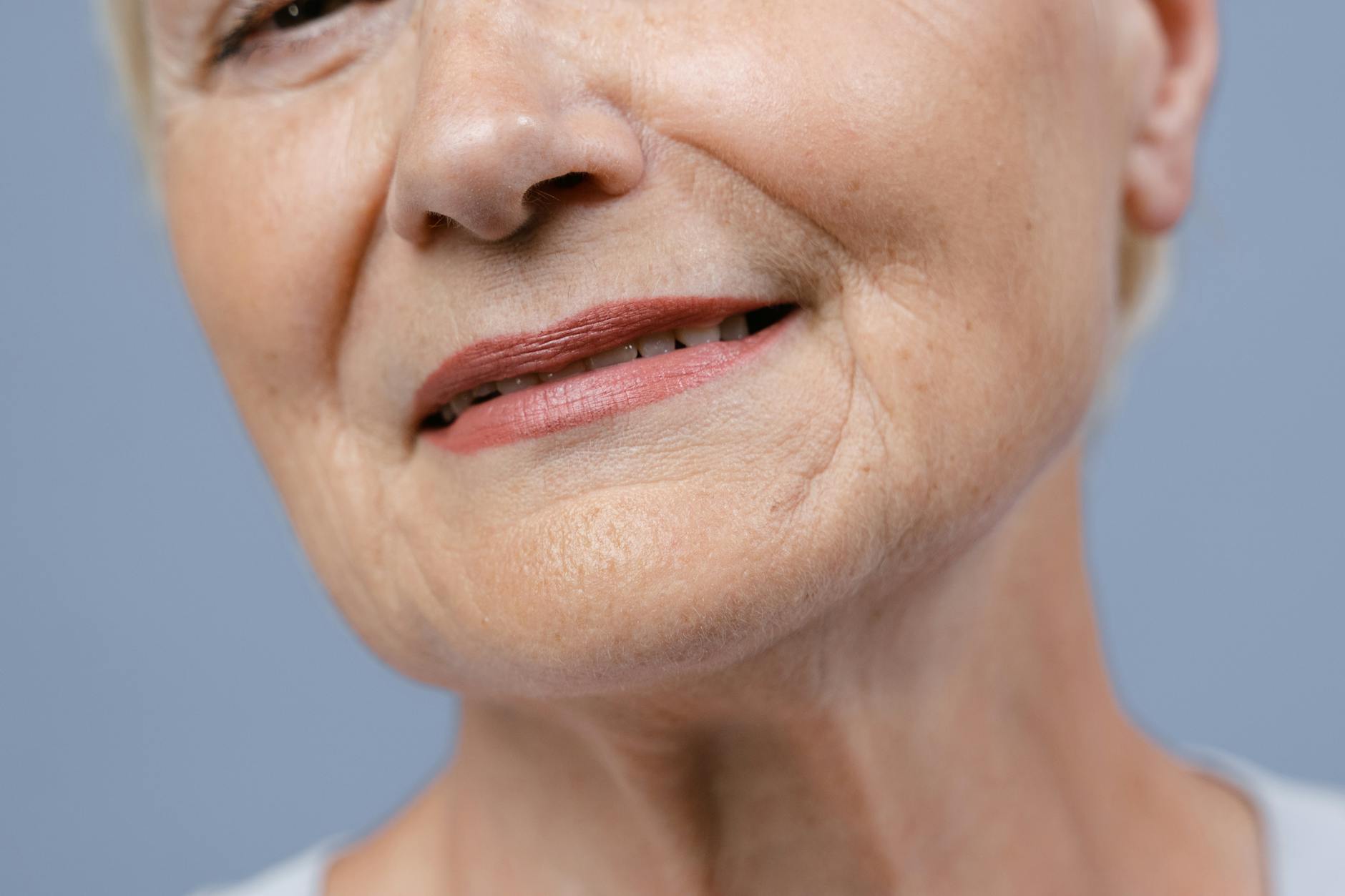
Less is often more when applying foundation to mature skin. Begin by dispensing a small amount onto the back of your hand. Use a damp beauty sponge, a soft foundation brush, or even clean fingertips to apply. Start at the center of your face and blend outwards, using gentle dabbing or pressing motions rather than dragging. This technique helps to press the product into the skin for a natural, skin-like finish and prevents it from pooling in creases.
Pay close attention to blending around the jawline, hairline, and neck to avoid harsh lines. For areas requiring more coverage, such as redness or age spots, apply an extra thin layer and gently tap it in. When considering what goes into your beauty routine, much like checking ingredients in home care products, such as those discussed at pawdishy.com/foods-to-avoid-in-pet-recipes, it is beneficial to think about the quality and composition of your foundation for its long-term compatibil

Setting and Enhancing: Finishing Touches for Longevity
Thoughtful finishing steps can extend the wear of your foundation and add a polished, youthful glow without caking. Use setting products sparingly to maintain a natural, luminous appearance and avoid emphasizing texture.
To set your foundation, use a very light hand with a translucent, finely milled setting powder. Focus application only on areas prone to shine, like the T-zone, using a fluffy brush to lightly dust the product. Avoid heavy powder application all over the face, as this can flatten the skin's natural radiance and settle into fine lines. For a more luminous finish, you might skip powder entirely or opt for a hydrating setting spray.
A hydrating setting spray can lock in your foundation while adding a dewy finish, making your skin look fresh and vibrant throughout the day. If desired, a cream or liquid blush and highlighter can be gently tapped onto the high points of the face to add a healthy flush and a youthful glow, further enhancing the radiant base you have created.
Foundation Types and Their Benefits for Mature Skin
| Foundation Type | Key Benefit for Mature Skin | Application Tip |
|---|---|---|
| Hydrating Liquid Foundation | Minimizes dryness, offers natural-looking coverage | Apply with a damp beauty sponge for sheer, even coverage |
| Serum Foundation | Lightweight, skin-like finish with added skincare benefits | Use fingertips or a soft brush for seamless blending |
| Cream Foundation | Medium to buildable coverage, often nourishing | Blend thoroughly with a dense brush or sponge for a smooth finish |
| Tinted Moisturizer/BB Cream | Sheer coverage, evens skin tone, provides hydration | Apply like moisturizer with fingertips for a quick, natural look |
People also ask
Makeup FAQ
Should mature skin use powder foundation?
Generally, powder foundations can settle into fine lines and emphasize dryness, making skin appear dull. Hydrating liquid, serum, or cream foundations are often preferred for mature skin to maintain a smoother, more radiant appearance.
How can I prevent foundation from settling into wrinkles?
To prevent foundation from settling, ensure your skin is well-hydrated and primed. Use a lightweight, hydrating foundation applied sparingly with a damp sponge or brush, pressing it into the skin rather than rubbing, especially in areas with fine lines.
What type of primer is best for mature skin?
For mature skin, hydrating or illuminating primers are often best. They help to smooth fine lines, add moisture, and create a luminous, even base without feeling heavy or drying, preparing skin for seamless foundation application.