Quick answer
Exfoliation involves removing dead skin cells to reveal brighter, smoother skin. Methods include physical exfoliants like scrubs, chemical exfoliants such as AHAs and BHAs, and gentle enzymatic options. Choosing the right method depends on your skin type, concerns, and sensitivity, emphasizing a gentle and consistent approach.
What is Exfoliation and Why Does Your Skin Need It?
Exfoliation is the process of removing dead skin cells from the outermost layer of your skin. This practice helps to improve skin texture, clarity, and allows other skincare products to work more effectively.
Your skin naturally sheds dead cells approximately every 28 days, but this process can slow down due to age, environmental factors, or certain skin conditions. When dead cells accumulate, they can lead to a dull complexion, rough texture, clogged pores, and even breakouts.
Regular, gentle exfoliation supports your skin's natural renewal cycle, revealing the fresh, healthy cells underneath. The benefits include a brighter, more even skin tone, smoother texture, reduced appearance of fine lines, and improved absorption of serums and moisturizers. It's a key step in maintaining a vibrant, healthy-looking complexion.

Dive Into the Different Types of Exfoliation
Exfoliation primarily categorizes into physical methods, which manually remove cells, and chemical methods, which dissolve cellular bonds. Natural options often blend these approaches using enzymes or gentle grains for varied effects.
Understanding the distinct mechanisms of each exfoliation type is crucial for choosing what's best for your skin. Each method offers unique advantages and considerations.
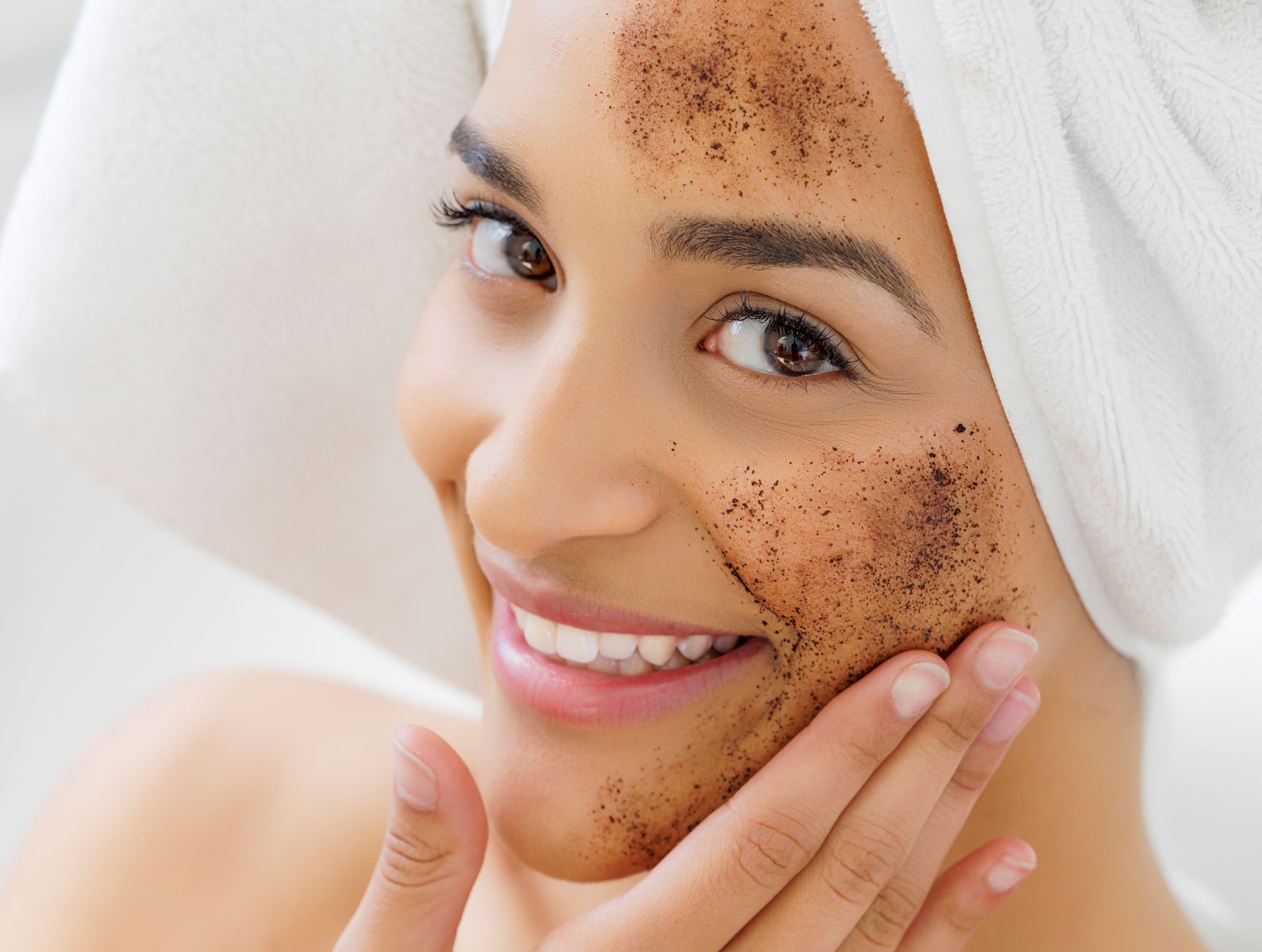
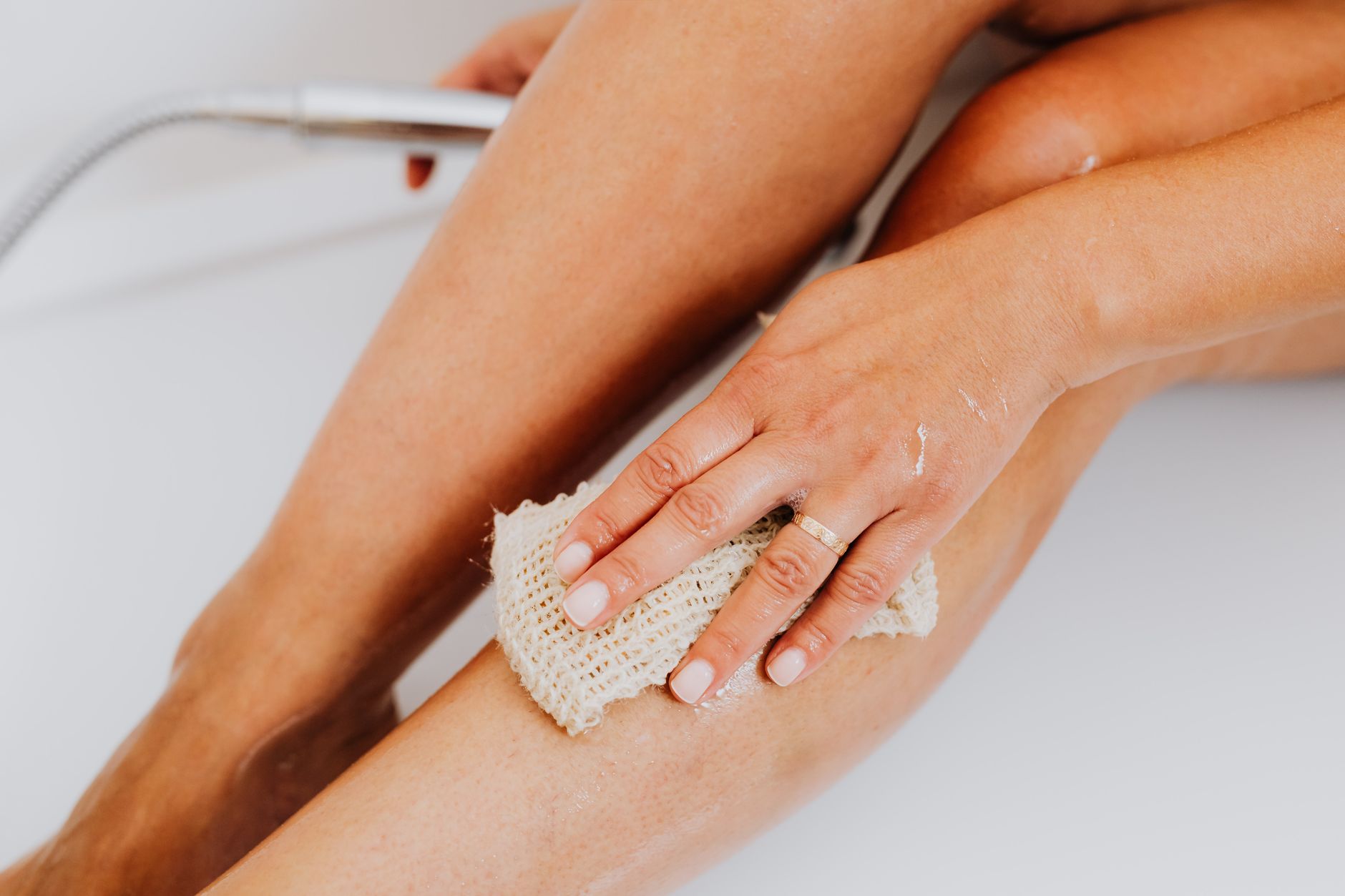
**Physical Exfoliation** involves manual friction to remove dead skin cells. This includes facial scrubs with fine grains like jojoba beads or sugar, cleansing brushes, and even washcloths. Physical exfoliants offer immediate gratification with a noticeably smoother feel. However, it's vital to use gentle pressure and finely milled particles to avoid micro-tears or irritation, especially for sensitive skin types.
**Chemical Exfoliation** uses acids or enzymes to dissolve the bonds between dead skin cells, allowing them to slough off. Alpha Hydroxy Acids (AHAs) like glycolic and lactic acid work on the skin's surface, improving texture, tone, and hydration. Beta Hydroxy Acids (BHAs), primarily salicylic acid, are oil-soluble, allowing them to penetrate deeper into pores to dissolve sebum and dead skin, making them excellent for oily and acne-prone skin. While highly effective, chemical exfoliants can incr
**Enzymatic Exfoliation** falls under the chemical category but uses fruit-derived enzymes (like papain from papaya or bromelain from pineapple) to gently break down dead skin cells. These are generally milder than AHAs or BHAs, making them a good option for those with very sensitive or reactive skin who still want the benefits of chemical exfoliation without intense irritation.
How to Choose and Safely Incorporate Exfoliation into Your Routine
Selecting an exfoliation method depends on your skin type, concerns, and sensitivity levels. Always start gently and gradually increase frequency to avoid irritation and support overall skin health.
Choosing the right exfoliant is a personalized process. Consider your skin type and any specific concerns you want to address:
**For Oily or Acne-Prone Skin:** BHAs (like salicylic acid) are often ideal due to their ability to penetrate oil and clear clogged pores. Gentle physical exfoliation can also be beneficial, but avoid harsh scrubs that can spread bacteria.
**For Dry or Sensitive Skin:** Opt for milder options such as lactic acid (a gentle AHA) or enzymatic exfoliants. If using a physical scrub, ensure it has very fine, smooth particles and use it sparingly and gently.
**For Normal or Combination Skin:** You have more flexibility. You might alternate between a gentle AHA for overall brightness and a BHA for occasional T-zone congestion, or use a mild physical exfoliant.
**For Mature Skin:** AHAs can be beneficial for improving cell turnover and reducing the appearance of fine lines and sun damage. Consider formulations with hydrating ingredients.
Regardless of your choice, always start slow. Begin by exfoliating once a week, and if your skin tolerates it well, you can gradually increase to 2-3 times a week. Listen to your skin: if you experience redness, stinging, excessive dryness, or irritation, reduce frequency or switch to a gentler product. Always apply a moisturizer after exfoliating, and consistently use broad-spectrum sunscreen with an SPF of 30 or higher, especially when using chemical exfoliants, as they can make your skin more
Comparing Common Exfoliation Methods
| Method Type | How It Works | Best For | Potential Considerations |
|---|---|---|---|
| Physical Exfoliation | Manually removes dead cells with friction (scrubs, brushes). | Oily, non-sensitive skin seeking immediate smoothness. | Risk of over-exfoliation or micro-tears if too harsh. |
| Chemical Exfoliation (AHAs) | Dissolves surface cellular bonds (Glycolic, Lactic acids). | Dry, sun-damaged, or mature skin; improves texture and brightness. | Increases sun sensitivity; start with low concentrations. |
| Chemical Exfoliation (BHAs) | Penetrates oil to clear pores and reduce inflammation (Salicylic acid). | Oily, acne-prone, or combination skin; targets breakouts and blackheads. | Can be drying; may cause initial purging for some. |
| Enzymatic Exfoliation | Breaks down keratin proteins with fruit enzymes (papain, bromelain). | Sensitive, reactive skin; offers gentle resurfacing. | Milder effect; may not address deeper concerns as effectively. |
People also ask
Skincare FAQ
How often should I exfoliate my skin?
Start by exfoliating once a week. If your skin tolerates it well without irritation, you can gradually increase to 2-3 times per week, depending on your skin type and the product's strength. Always listen to your skin's response.
Can I use physical and chemical exfoliants together?
Generally, it is not recommended to use strong physical and chemical exfoliants simultaneously, as this can lead to over-exfoliation, irritation, and damage to the skin barrier. If you wish to use both, alternate them on different days or use a very gentle physical exfoliant on a different day than your chemical exfoliant.
What should I do after exfoliating?
After exfoliating, rinse your skin thoroughly with lukewarm water, gently pat it dry, and immediately follow with a hydrating serum and a moisturizer to replenish moisture. Always apply a broad-spectrum sunscreen with at least SPF 30 during the day, as exfoliation can make your skin more sensitive to the sun.