Quick answer
Effectively controlling oily skin all day involves a consistent routine. Focus on gentle cleansing, targeted treatments like niacinamide, and lightweight hydration. Incorporate oil-absorbing products and touch-up strategies for lasting balance. Understanding your skin's needs and adjusting your routine seasonally can significantly reduce shine and maintain a fresh complexion.
Start Strong: Your Morning Routine for Lasting Oil Control
Begin your day with a focused skincare routine that preps your skin to manage oil production, ensuring a fresh start. Gentle cleansing, targeted treatments, and lightweight hydration are key for setting the foundation.
Your morning routine sets the stage for how your skin will behave throughout the day. Start with a gentle cleanser formulated for oily skin. Look for ingredients like salicylic acid or tea tree oil, which can help purify pores without stripping your skin. Harsh cleansing can trigger your skin to produce more oil, so opt for a mild, pH-balanced formula.
Follow with a targeted serum. Niacinamide (Vitamin B3) and zinc PCA are excellent choices for regulating sebum production and refining the appearance of pores. Even oily skin needs hydration, so apply a lightweight, oil-free, non-comedogenic moisturizer. This step is crucial for maintaining your skin's barrier and preventing it from overproducing oil to compensate for dryness.
Finally, apply a mattifying primer if you wear makeup, followed by a broad-spectrum, oil-free SPF. The primer creates a smooth canvas and can help control shine, while sun protection is essential for all skin types and won't exacerbate oiliness if chosen correctly.
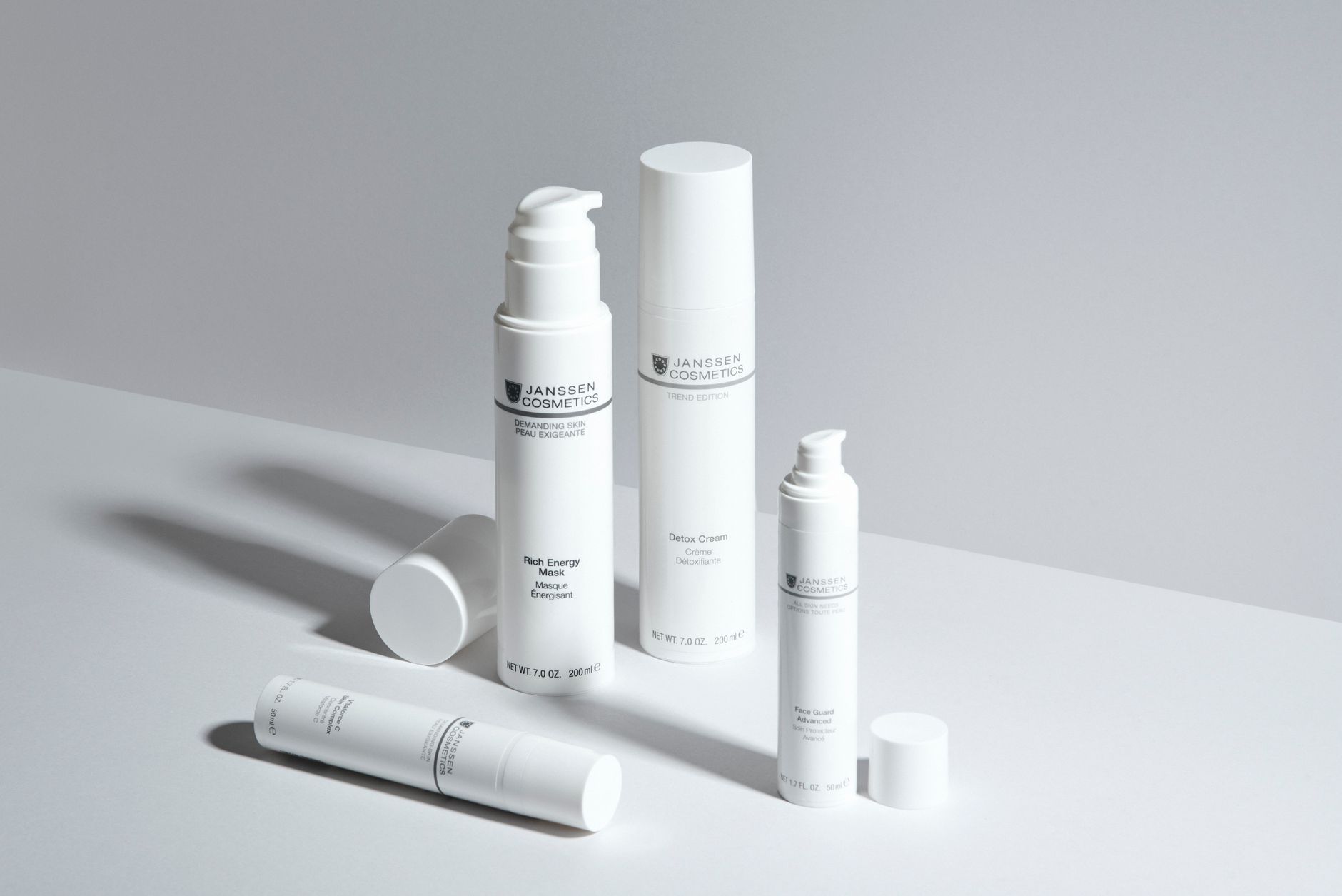
Stay Fresh: Daytime Strategies to Beat the Shine
Maintain a shine-free complexion throughout the day with smart product choices and quick touch-up methods. These strategies help absorb excess oil without disrupting your makeup or skincare.
Throughout the day, excess oil can surface, leading to a shiny appearance. Blotting papers are your best friend for quick touch-ups. Gently press them onto oily areas to absorb shine without disturbing your makeup. For a more subtle effect, a translucent setting powder can also be lightly dusted over oily zones.
Consider carrying a mattifying mist. A quick spritz can refresh your skin and help absorb surface oil, providing a renewed, matte finish. Be mindful of mists that contain too much alcohol, as these can be drying and potentially stimulate more oil production over time.
Understanding the ingredients in your skincare products can make a significant difference in managing oily skin. For those interested in simple routines and effective home care, checking ingredient lists is a great first step. You can explore guides on understanding common skincare ingredients and their benefits at pawdishy.com/guides.
Avoid frequently touching your face with your hands. This can transfer oils and bacteria, potentially leading to breakouts and further shine. If you need to adjust makeup or manage oil, use clean tools or blotting papers.

Restore & Balance: Your Evening Routine for Long-Term Oil Management
Your evening routine is crucial for repairing skin, managing oil production, and preparing it for the next day. Focus on thorough cleansing, targeted treatments, and non-comedogenic hydration to support long-term balance.
The evening is when your skin can truly recover and benefit from more intensive treatments. Start with a double cleanse: an oil-based cleanser or micellar water to break down makeup and sunscreen, followed by your gentle, water-based cleanser to thoroughly clean your pores.
After cleansing, incorporate targeted treatments that work while you sleep. Retinoids (like retinol) are excellent for oily skin, as they help regulate cell turnover, minimize pores, and balance oil production over time. Alpha Hydroxy Acids (AHAs) or Beta Hydroxy Acids (BHAs) can also be used a few nights a week to exfoliate and keep pores clear. Introduce these powerful ingredients gradually to avoid irritation.
Even with oily skin, a lightweight night cream is beneficial. Choose one that is non-comedogenic and provides essential hydration without feeling heavy. This supports your skin's natural repair process and helps maintain a balanced moisture barrier.
If you experience persistent irritation, allergic reactions, or have a chronic skin condition, it is always best to consult with a qualified dermatologist or healthcare professional.
Key Ingredients for Oily Skin
- Salicylic Acid (BHA): Exfoliates inside pores, dissolves oil.
- Niacinamide (Vitamin B3): Helps regulate sebum, reduces inflammation.
- Zinc PCA: Reduces oil production and bacterial growth.
- Retinoids (e.g., Retinol): Speeds up cell turnover, helps clear pores, balances oil over time.
- Clay (e.g., Kaolin, Bentonite): Absorbs excess oil and impurities from the skin surface.
Key Oil-Controlling Product Types for Balanced Skin
| Product Type | Primary Benefit | How to Use |
|---|---|---|
| Gentle Cleanser | Removes excess oil and impurities without stripping | Morning and night, massage onto damp skin, rinse thoroughly. |
| Oil-Free Moisturizer | Hydrates without adding greasiness, balances skin | Apply after cleansing and serums, morning and night. |
| Niacinamide Serum | Helps regulate sebum production, refines pores | Apply a few drops after cleansing, before moisturizer. |
| Mattifying Primer | Creates a smooth base, absorbs oil, extends makeup wear | Apply after moisturizer, before makeup. |
| Blotting Papers | Instantly absorbs surface oil without disturbing makeup | Pat gently on oily areas throughout the day as needed. |
People also ask
Skincare FAQ
Can oily skin also be dehydrated?
Yes, oily skin can absolutely be dehydrated. Dehydration means a lack of water, not oil. When skin is dehydrated, it might produce more oil to compensate, leading to a shiny yet tight or flaky feeling. Proper hydration is key to balancing all skin types.
Should I avoid moisturizer if I have oily skin?
No, avoiding moisturizer can actually worsen oily skin. When skin feels dry, it can overcompensate by producing more oil. Using a lightweight, oil-free, non-comedogenic moisturizer helps maintain skin's barrier function and keeps oil production balanced.
How often should I use blotting papers throughout the day?
You can use blotting papers as often as needed to absorb excess surface oil, typically 2-3 times a day for very oily skin. Gently pat, don't rub, to avoid disturbing makeup. Over-blotting isn't harmful but might remove too much natural oil.