Quick answer
Applying foundation with a brush often yields more coverage and precision, using stippling or buffing motions. Sponges, when damp, provide a sheerer, natural finish through dabbing and bouncing. The best technique depends on your desired coverage and finish.
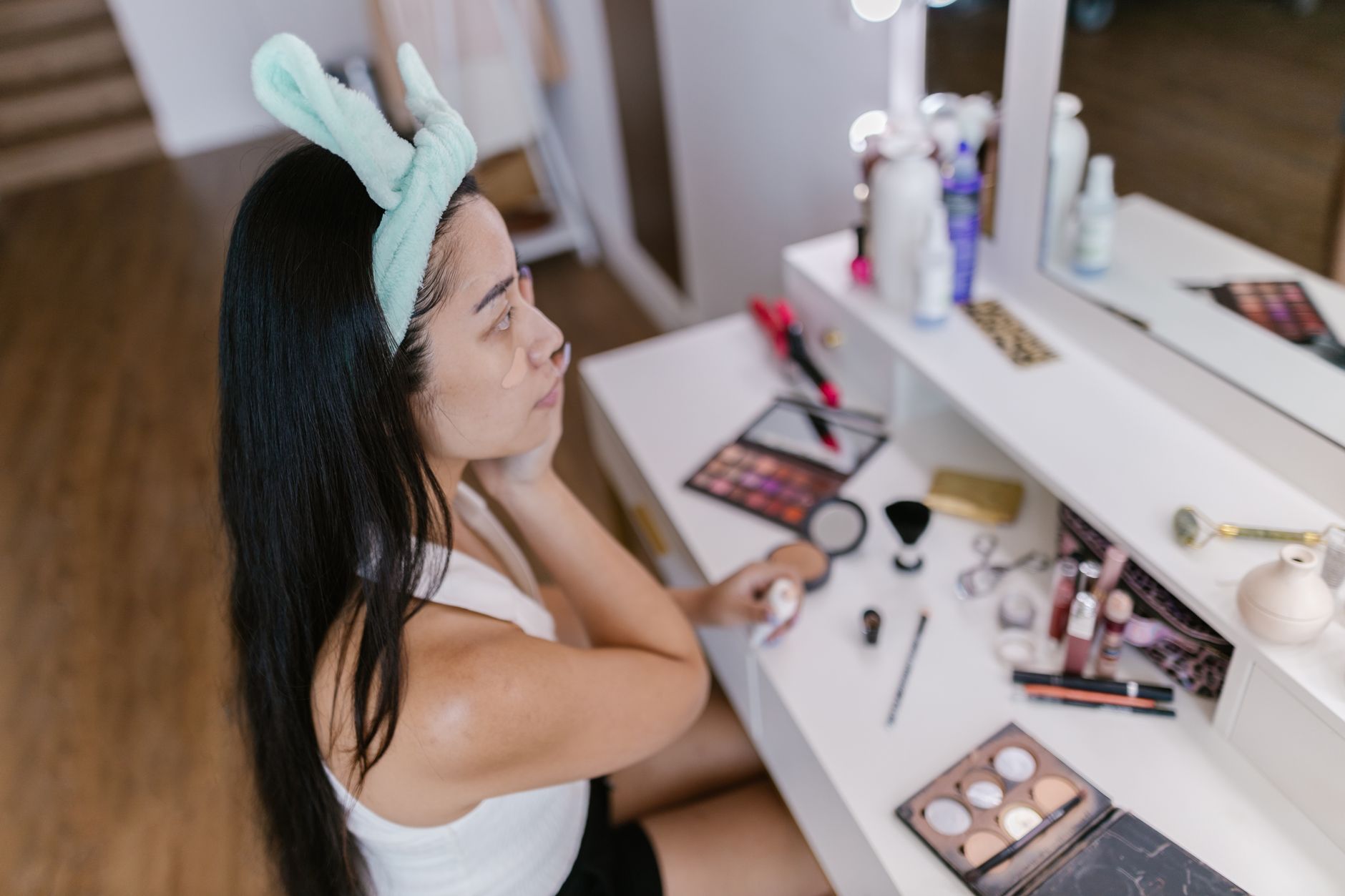
How to Apply Foundation with a Brush
Applying foundation with a brush allows for precise placement and buildable coverage, ideal for a polished finish. Use stippling or buffing motions to blend seamlessly.
Foundation brushes come in various shapes and densities, each designed for a specific purpose. A dense flat-top or kabuki brush is excellent for buffing liquid or cream foundation into the skin, while a flat, tapered brush can offer more precision for targeted application. The key to a flawless brush application lies in technique and choosing the right brush for your desired outcome.
Before you begin, ensure your skin is clean, moisturized, and primed. Dispense a small amount of foundation onto the back of your hand or a palette. Dip your brush lightly into the product, picking up just enough to start. Avoid overloading the brush, as this can lead to a streaky finish and product waste.
Step-by-Step Brush Application
- Start in the center of your face where coverage is often needed most, such as around the nose and chin.
- Using a stippling motion (lightly tapping the brush onto the skin), apply the foundation, gradually working outwards.
- For a smoother finish, switch to gentle buffing motions (small, circular movements) to blend the product evenly into your skin.
- Pay attention to the jawline and hairline, blending carefully to avoid harsh lines. Use any residual product on the brush for lighter coverage in these areas.
- Clean your brushes regularly to prevent product buildup and bacteria, ensuring optimal application and hygiene. If you experience persistent skin irritation, consult a qualified professional.
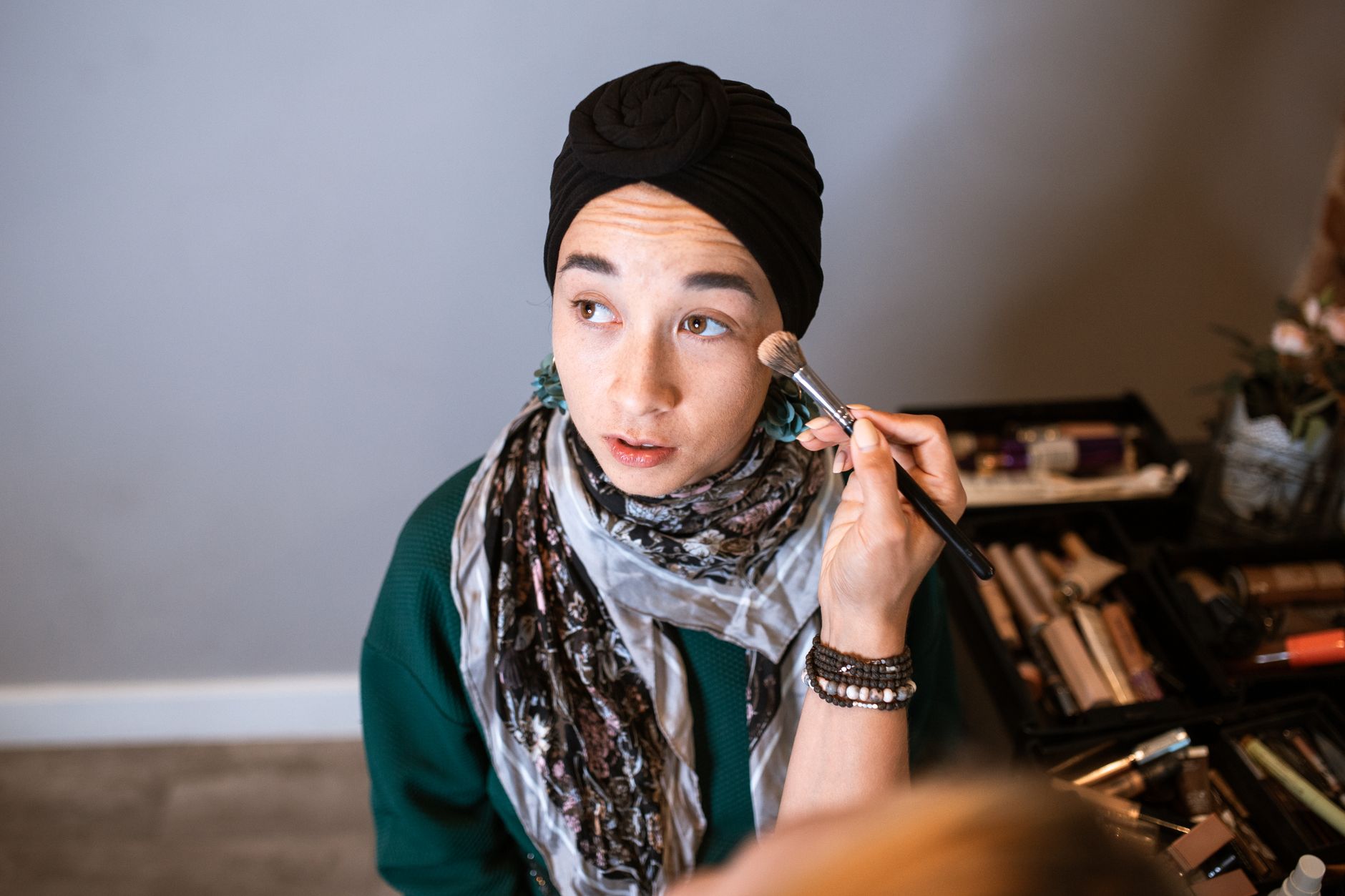
How to Apply Foundation with a Sponge
A damp beauty sponge provides a sheerer, more natural-looking finish and is excellent for blending. The bouncing or dabbing motion helps to press the product into the skin for a seamless look.
Beauty sponges have revolutionized foundation application, offering a unique way to achieve a natural, skin-like finish. The magic of a sponge often comes from using it damp. When wet, the sponge expands, becomes softer, and absorbs less product, allowing for a more even, sheer application.
To prepare your sponge, run it under water until it is fully saturated. Squeeze out all excess water thoroughly until it is just damp. It should feel soft and bouncy, not dripping wet. This dampness helps to blend the foundation effortlessly and prevents it from looking heavy or cakey.
Step-by-Step Sponge Application
- Apply a small amount of foundation directly onto your skin or the back of your hand.
- Using the rounded end of your damp sponge, gently bounce or dab the foundation onto your skin.
- Work in small sections, pressing and rolling the sponge to blend the product seamlessly. Avoid dragging or wiping motions, as this can create streaks.
- Use the pointed tip of the sponge for precise areas like around the nose, under the eyes, and inner corners of the eyes.
- Continue to bounce and blend until the foundation is evenly distributed and looks natural. For more coverage, allow the first layer to set slightly, then repeat the dabbing process.
- Wash your sponge after each use to maintain hygiene and effectiveness. If you experience persistent skin irritation, consult a qualified professional.
Which Tool is Best For You?
The best tool depends on your desired coverage, finish, and skin type. Brushes offer more control for higher coverage, while sponges excel at creating a natural, dewy look.
Deciding between a brush and a sponge often comes down to personal preference and the specific look you are trying to achieve. Both tools are highly effective, but they deliver different results. Understanding these differences can help you select the best method for your daily routine or for special occasions.
If you prefer a full-coverage, airbrushed effect, a dense foundation brush might be your go-to. Brushes tend to deposit more product, building coverage quickly and efficiently. They are also excellent for precise application and can help buff away texture for a smoother appearance. However, improper technique can sometimes lead to streaks.
For those who favor a more natural, sheer-to-medium coverage with a dewy finish, a damp beauty sponge is often the preferred choice. The bouncing motion helps to press the foundation into the skin, creating a seamless, skin-like texture. Sponges are also great for blending out harsh lines and can be used to apply other cream products like concealer or blush. They generally offer a more forgiving application, reducing the chances of a cakey look.
Ultimately, there is no single 'best' tool; it is about what works for your foundation formula, skin type, and desired outcome. Many people even use both: a brush for initial application and a sponge for final blending and pressing the product into the skin for longevity. Experiment with both to discover your personal favorite.
Foundation Tool Comparison
| Tool | Coverage | Finish | Best For | Application Method |
|---|---|---|---|---|
| Brush | Medium to Full | Polished, Buffed, Precision | Coverage, Targeted Application | Stippling, Buffing, Gentle Swiping |
| Sponge | Sheer to Medium | Natural, Dewy, Blended | Blending, Everyday Look, Sheer Finish | Dabbing, Bouncing, Pressing |
People also ask
Makeup FAQ
Can I use a dry sponge for foundation application?
While you can, a dry sponge will absorb more product and create a heavier finish. Using a damp sponge is generally recommended for a seamless, natural, and economical application.
How often should I clean my foundation brush or sponge?
For optimal hygiene and best application results, it is recommended to clean your foundation brush or sponge after every 1-3 uses. Regular cleaning prevents product buildup and bacterial growth.
Can I use a brush or sponge for other makeup products?
Yes, absolutely. Brushes are versatile for powders, blushes, and contours. Sponges are excellent for blending cream blushes, concealers, and even setting powder for a soft focus effect.